In today’s hyper-connected world, having a great product or service is only half the battle. If people don't know you exist, your business cannot survive. This is where Digital Marketing steps in. It is no longer just an alternative advertising method; it is the lifeblood of modern business growth.
Whether you are a local business owner, a startup founder, or an aspiring marketer, understanding how to navigate the digital landscape is crucial. In this comprehensive guide, we will dive deep into how digital marketing actually works, what expert marketers focus on, how to tailor strategies for specific services, and the undeniable benefits it brings to any business.
Part 1: The Undeniable Benefits of Digital Marketing
Why are companies shifting their entire advertising budgets from traditional media (TV, billboards, newspapers) to the digital space? The answers are simple and data-driven:
- 1. Global Reach with Local Focus: Traditional marketing is restricted by geography. Digital marketing allows you to reach a customer in New York while sitting in Dhaka, or hyper-target people within a 2-mile radius of your physical store.
- 2. Extreme Cost-Effectiveness: Running a Facebook Ad or a Google Search campaign costs a fraction of a TV commercial. You can start testing campaigns with as little as $5 a day.
- 3. Measurable ROI (Return on Investment): With a billboard, you only guess how many people looked at it. With digital marketing, you know exactly how many people clicked your ad, how long they stayed on your website, and what they bought.
- 4. Hyper-Targeting: You don't just show your ads to everyone. You show them to a 25-year-old software engineer who loves coffee and recently searched for "best espresso machines." This level of precision guarantees higher conversion rates.
Part 2: How to Do Digital Marketing (The Core Pillars)
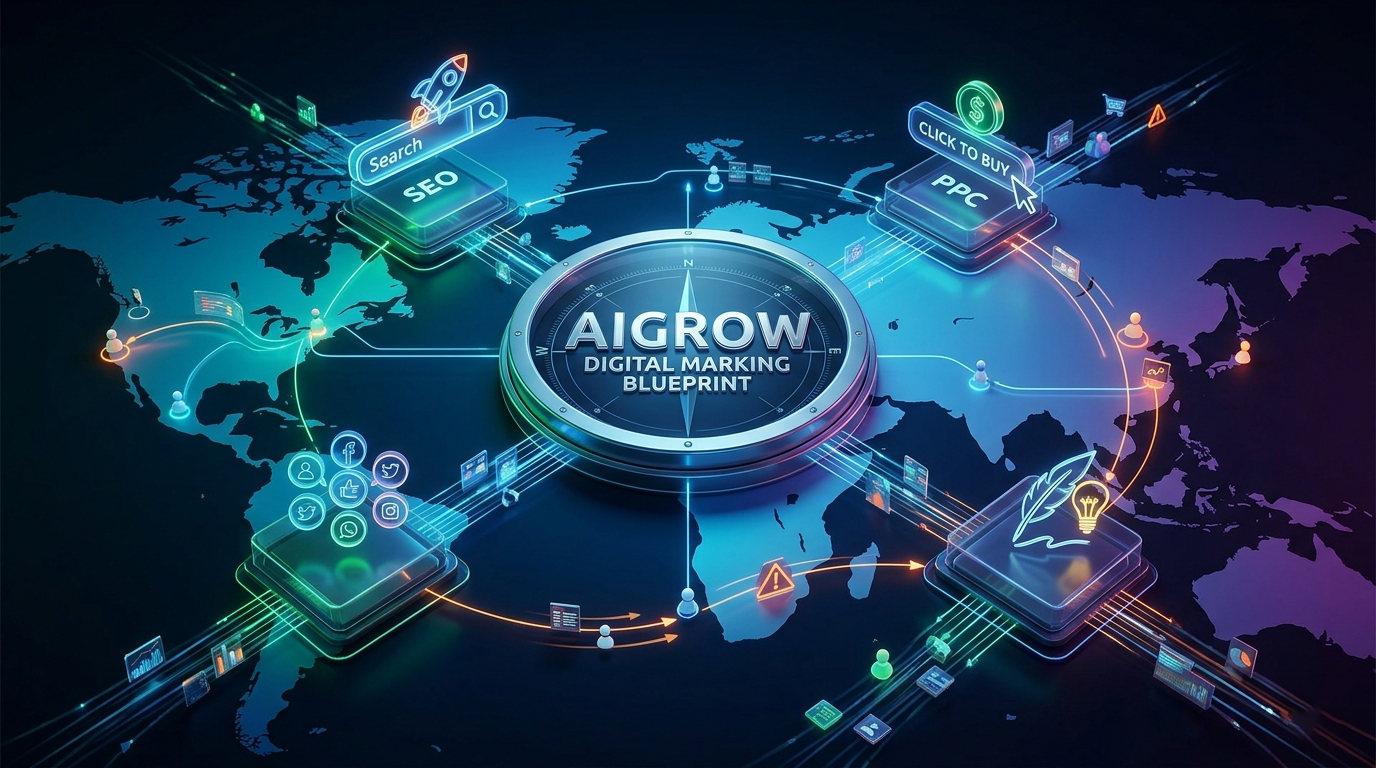
Digital marketing is an umbrella term that covers various specific channels. A successful strategy combines several of these pillars to create an "omnichannel" experience.
1. Search Engine Optimization (SEO)
SEO is the art and science of getting your website to rank at the top of Google for free.
- How to do it: You need to optimize your website’s technical speed (using frameworks like Next.js!), write high-quality content around specific keywords, and build "backlinks" (other reputable websites linking to yours).
2. Pay-Per-Click Advertising (PPC)
Unlike SEO, which takes time, PPC gets you to the top of Google instantly—but you pay every time someone clicks your ad.
- How to do it: You use platforms like Google Ads to bid on keywords. If you are selling shoes, you bid on "buy running shoes online." Your ad appears, and you capture people who already have high purchasing intent.
3. Social Media Marketing (SMM)
This is about building brand awareness and engaging with your audience where they hang out.
- How to do it: Create engaging short-form videos (Reels, TikToks), eye-catching graphics, and interactive stories. It is not just about posting; it is about building a community.
4. Content Marketing & Email Marketing
Content is king. It involves creating valuable blogs, videos, or podcasts to educate your audience. Once they trust you, you capture their email.
- How to do it: Offer a free eBook or discount in exchange for their email. Then, nurture them with weekly newsletters using tools like Mailchimp or ConvertKit, eventually converting them into paying customers.
Part 3: The Mindset of an Expert Digital Marketer
Anyone can boost a post on Facebook, but an expert digital marketer operates on a completely different level. Here is what separates the pros from the amateurs:
1. They Are Obsessed with Data
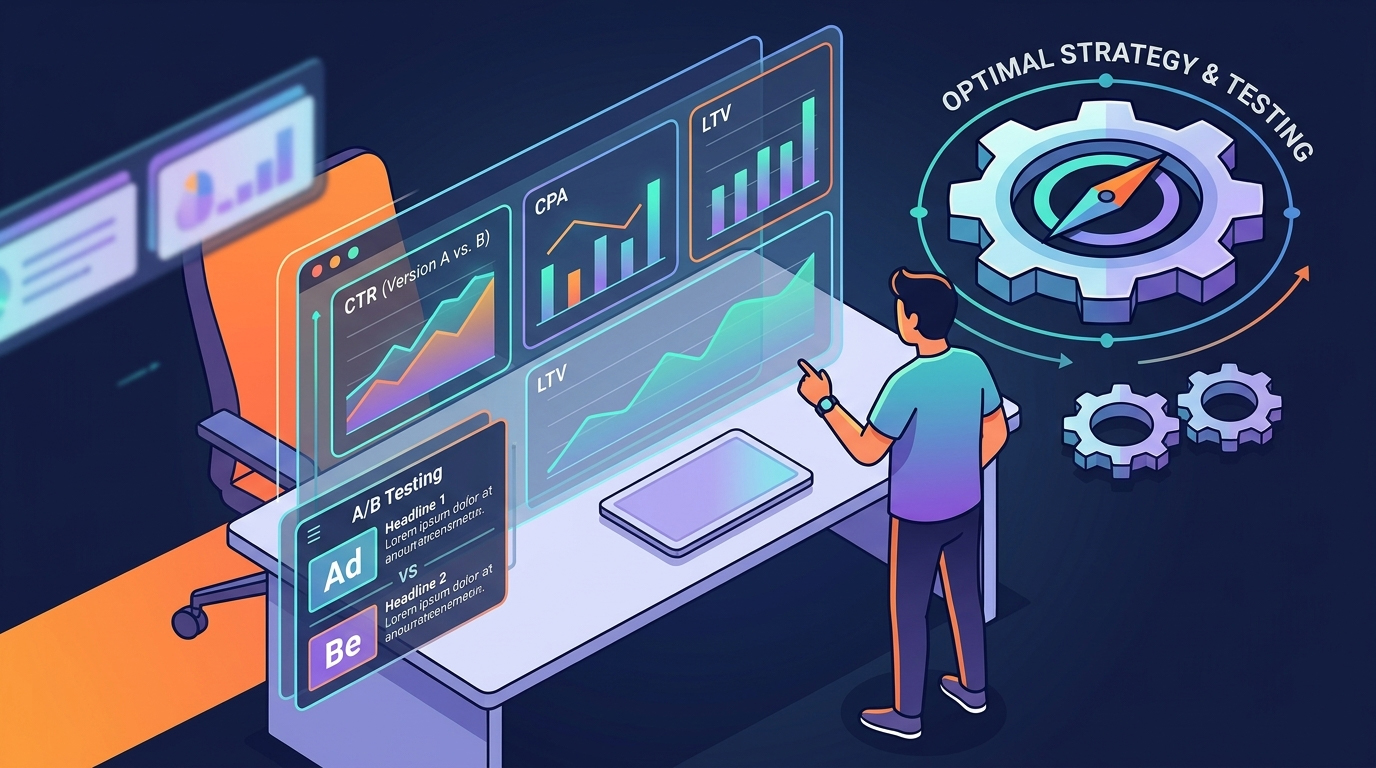
An expert doesn't guess; they look at the analytics. They constantly monitor Metrics like CTR (Click-Through Rate), CPA (Cost Per Acquisition), and LTV (Lifetime Value) of a customer. If an ad isn't working, they don't get emotional; they turn it off and test a new one.
2. They Understand Human Psychology
Marketing is simply applied psychology. Experts know how to write copy (persuasive text) that triggers emotion. They understand FOMO (Fear Of Missing Out), urgency, and the power of social proof (reviews and testimonials).
3. They A/B Test Everything
An expert never assumes they know what the customer wants. They create two different versions of a landing page (Version A and Version B)—perhaps changing the headline or the color of the "Buy Now" button—and let the data decide which one performs better.
4. They Adapt to AI and Algorithm Changes
The digital landscape changes weekly. An expert is always learning. In 2026, experts are heavily utilizing AI (like ChatGPT and Midjourney) to generate ad creatives, analyze massive data sets, and automate their workflow.
Part 4: Tailoring the Strategy: How to Market Different Services
You cannot market a local restaurant the same way you market a multi-million-dollar software product. The strategy must fit the service.
1. Marketing an E-commerce Business (Selling Physical Products)
- The Strategy: Highly visual and impulsive.
- The Channels: Instagram, TikTok, and Pinterest are your best friends. Use Influencer marketing to showcase people actually using the product. Implement Retargeting Ads (showing ads to people who abandoned their shopping carts).
2. Marketing a B2B SaaS (Software as a Service)
- The Strategy: Educational, trust-building, and logical.
- The Channels: LinkedIn is the goldmine here. You aren't selling on impulse; you are solving a business problem. Create in-depth case studies, host webinars, and write high-quality blog posts to establish industry authority. Use Google Search Ads to capture businesses actively searching for a solution.
3. Marketing a Local Business (Restaurants, Salons, Plumbers)
- The Strategy: Hyper-local and review-driven.
- The Channels: Your primary focus should be Local SEO and optimizing your Google Business Profile. When someone searches "best pizza near me," you want to show up first with 5-star reviews. Use Facebook Ads, but strictly target a 3 to 5-mile radius around your shop.
4. Marketing a Freelance Service or Consulting
- The Strategy: Personal branding and portfolio display.
- The Channels: You are the product. Build a stunning portfolio website (using React or Next.js!). Share your knowledge on Twitter (X) and LinkedIn. Provide free value to your target audience to build trust. If you are a web developer, tweet about development tips; clients will naturally gravitate towards your expertise.
Conclusion: The Future belongs to the Adaptable
Digital marketing is not a magic button you press to get rich overnight. It is a strategic, data-driven process of connecting your solution with the people who need it most.
By understanding the core pillars, adopting the mindset of an expert, and tailoring your approach to your specific service, you can scale any business to unprecedented heights. Start small, test relentlessly, analyze the data, and scale what works. The digital frontier is yours to conquer.
Are you currently running any digital marketing campaigns for your business? Which platform works best for you? Let us know your thoughts and questions in the comments below!